Herber Tower
Exterior Envelope, Interior Renovation
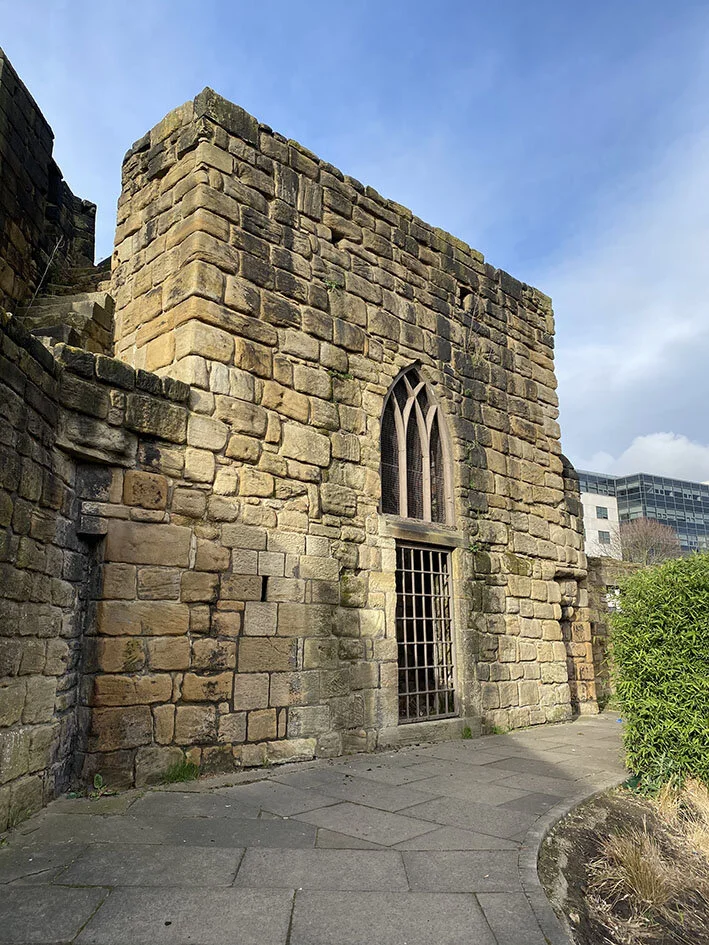
Herber tower was built in the late 13th century as a meeting house for Felt makers, Curriers and Armourers.
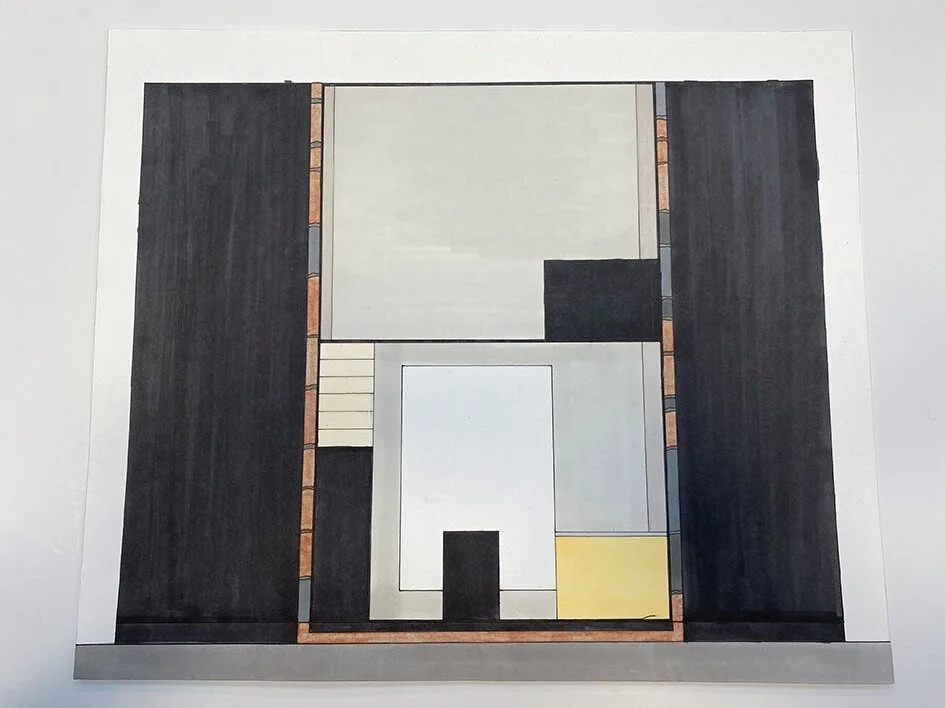
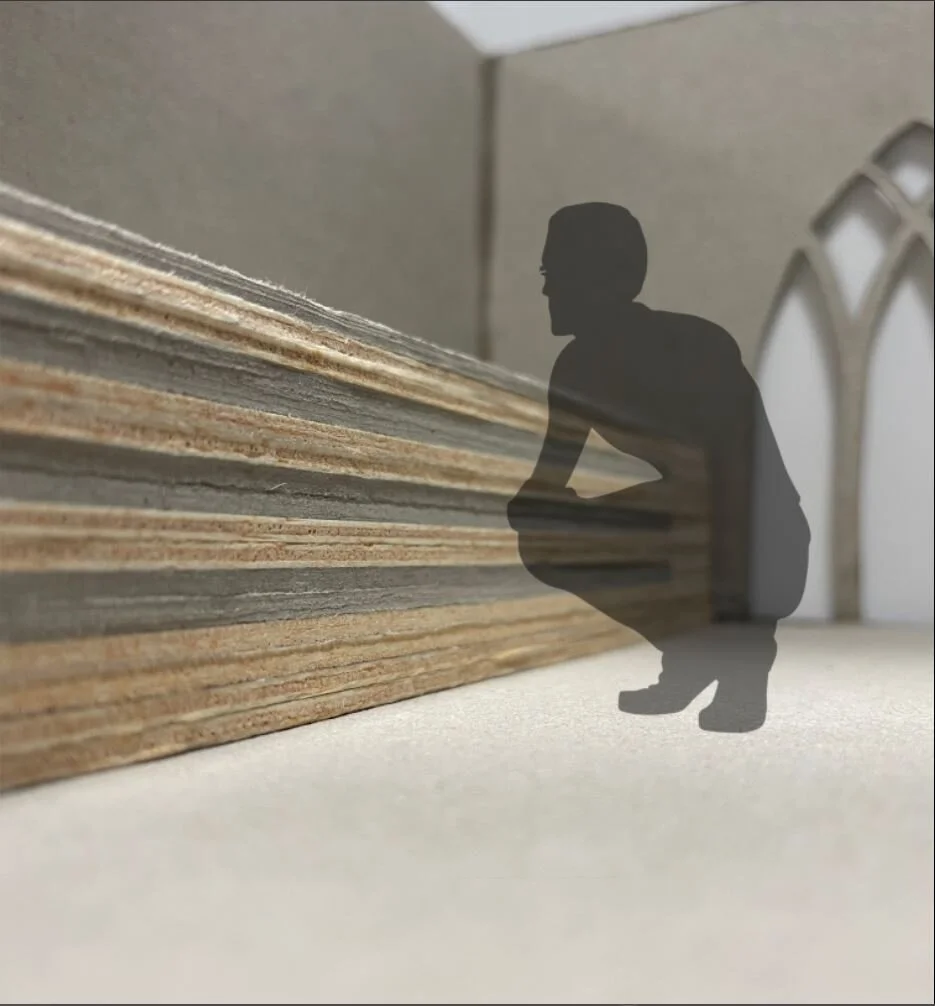
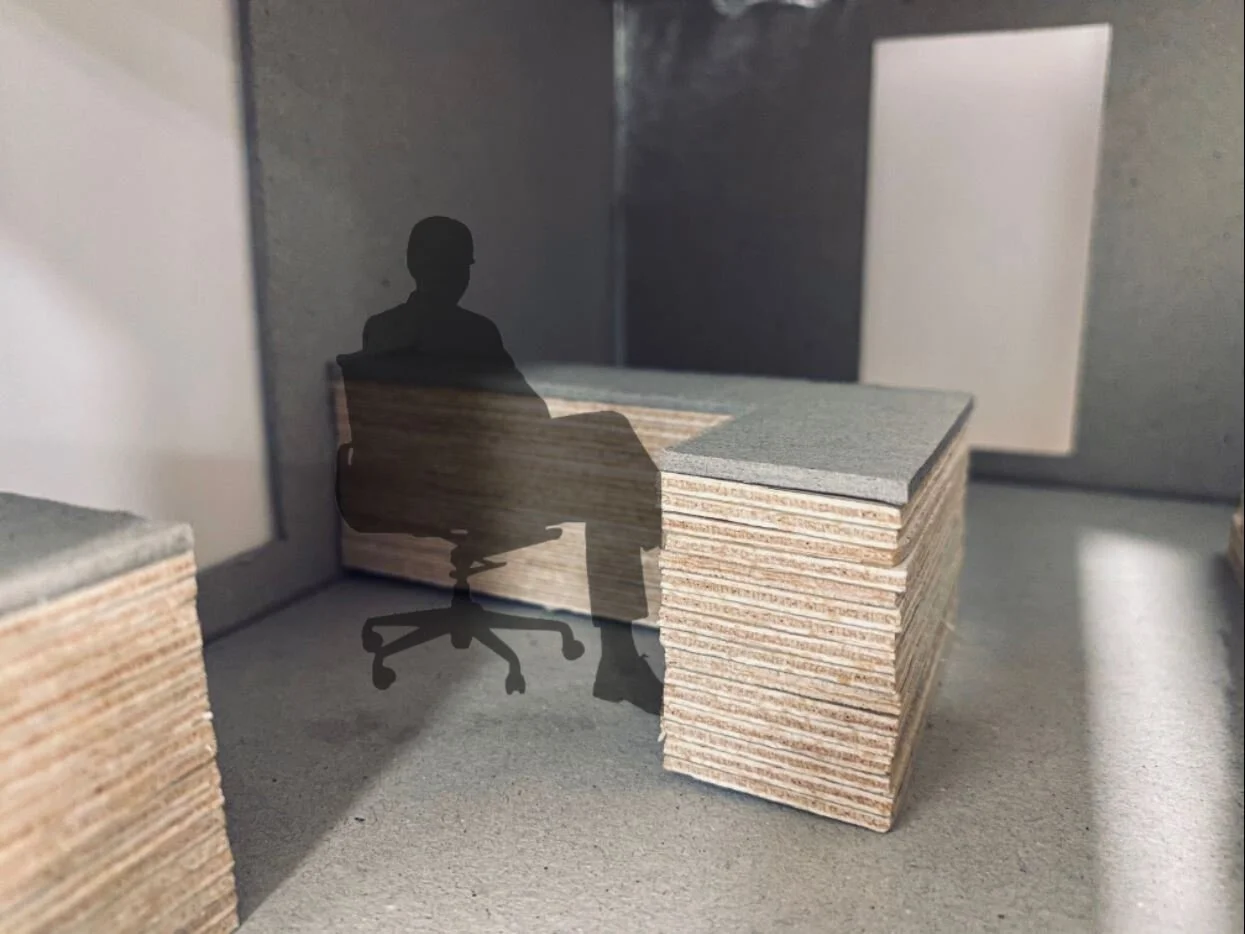
For this project, we were tasked with creating an interior within the existing tower envelope. We needed to consider and understand a micro space and how our designs were going to fit within the confines of the space. Associated with the design, we needed to envisage an ‘occupation’ which will occupy the space within the tower.
Occupation.
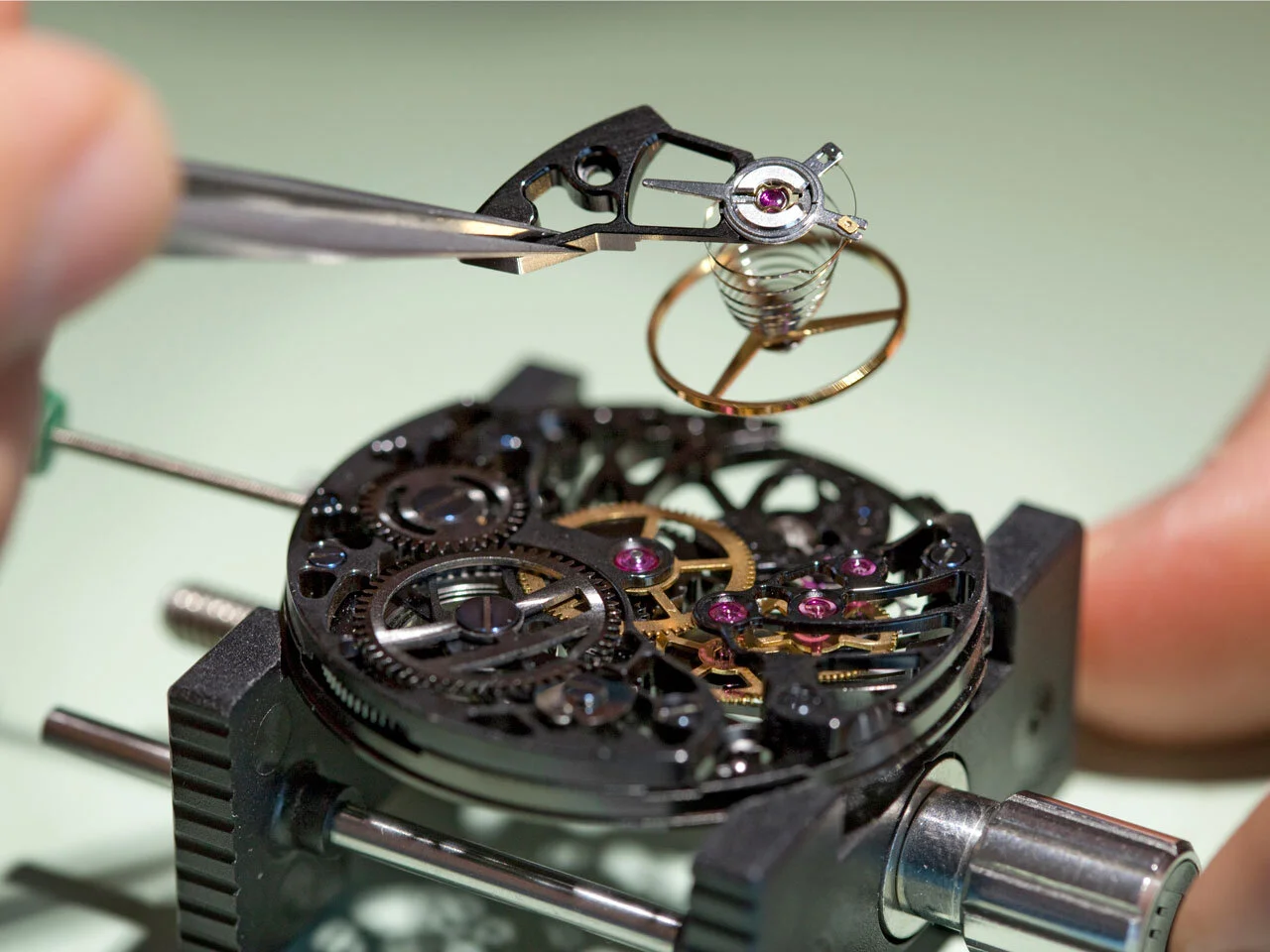
Art of Watchmaking.
For the occupation, watchmaking was selected, being a historical skill dating back many centuries (albeit not all the way back to the 13th century). Further, watchmaking is a miniscule and intricate process, referencing the relatively small space the Tower offers its occupants.
Watchmaking is an obscure career and takes a seven year apprenticeship to complete. Watches are currently made in factories, so the art of watchmaking has been lost and most makers repair watches instead of making them. In the past, makers were known as ‘master craftsmen’ because of how intricate the process was.
1:50 mock model.
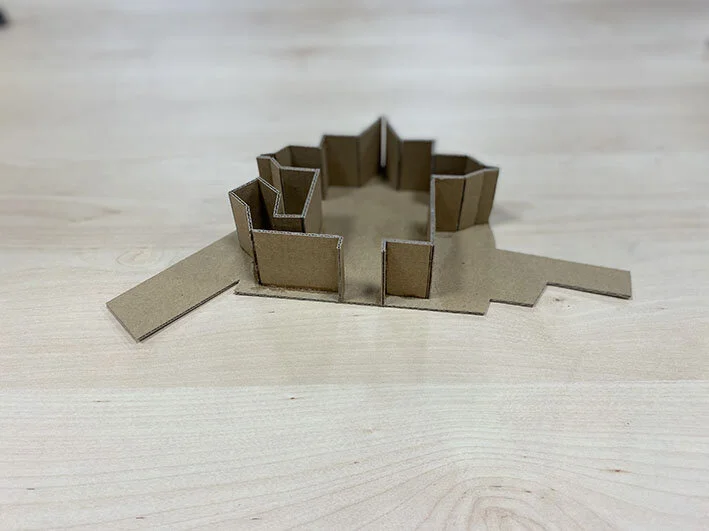
Exterior.
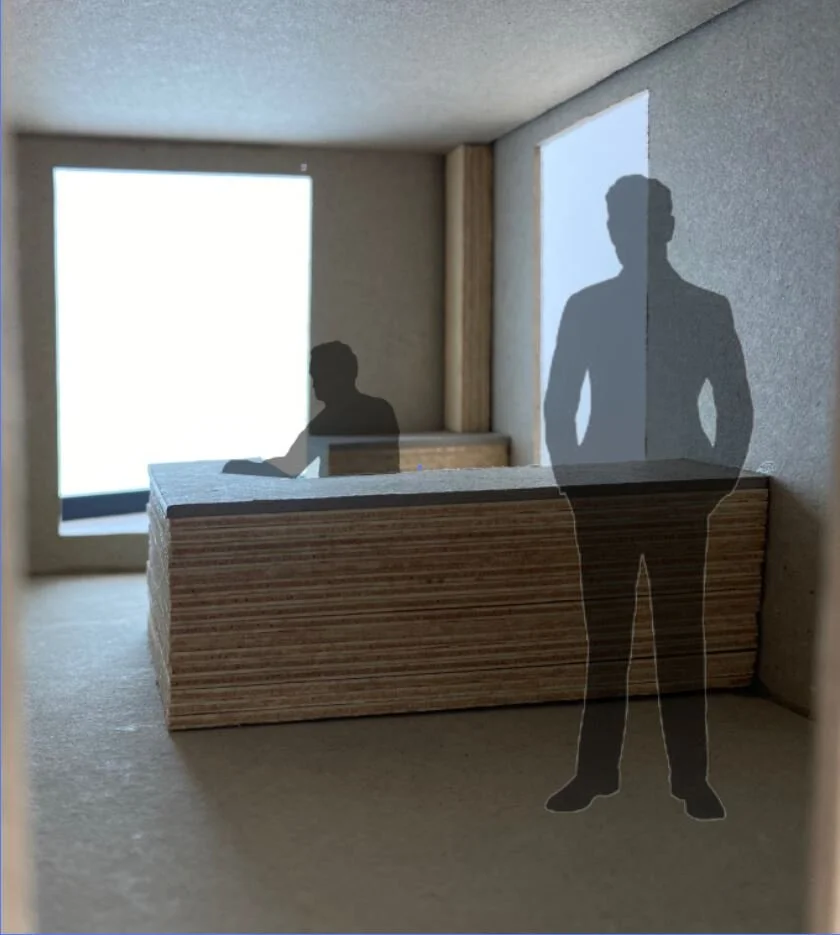
Consideration needed to be given to the scaling of the exterior model. A 1:50 scale was selected to test the design ideas and identify areas for improvement. It was considered that producing larger scale models, whilst having greater detailing, would be more time consuming and not be required during the initial ideas phase of the project.
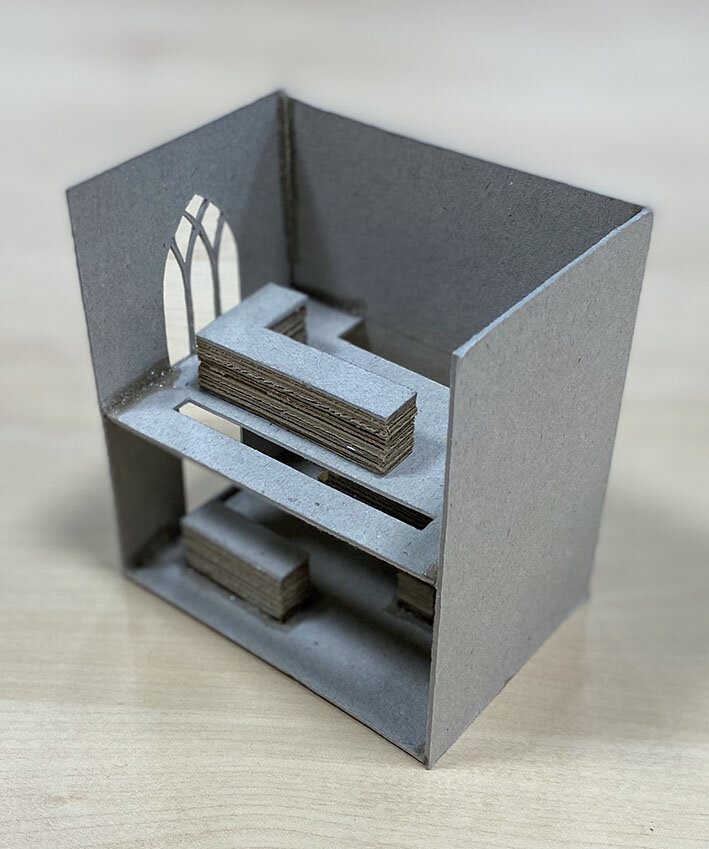
Interior.
In contract to the historic exterior, a modern designed interior was chosen. The modern interior would also mirror the evolution of watchmaking over the generations. The simplicity would also assist with designing an interior in a restricted space.
Rendered Floor Plans.
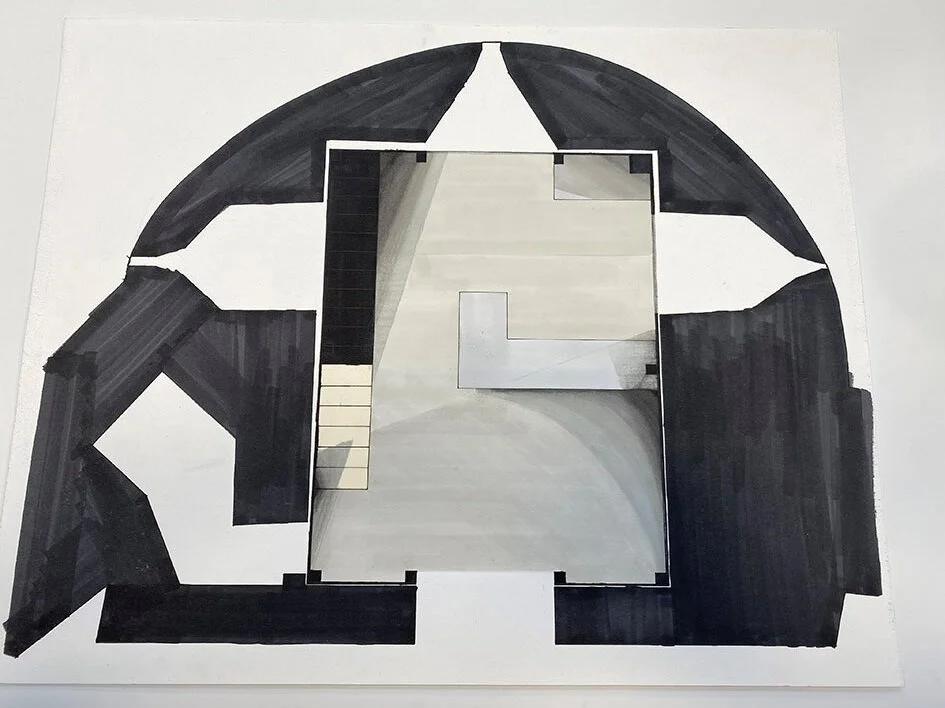
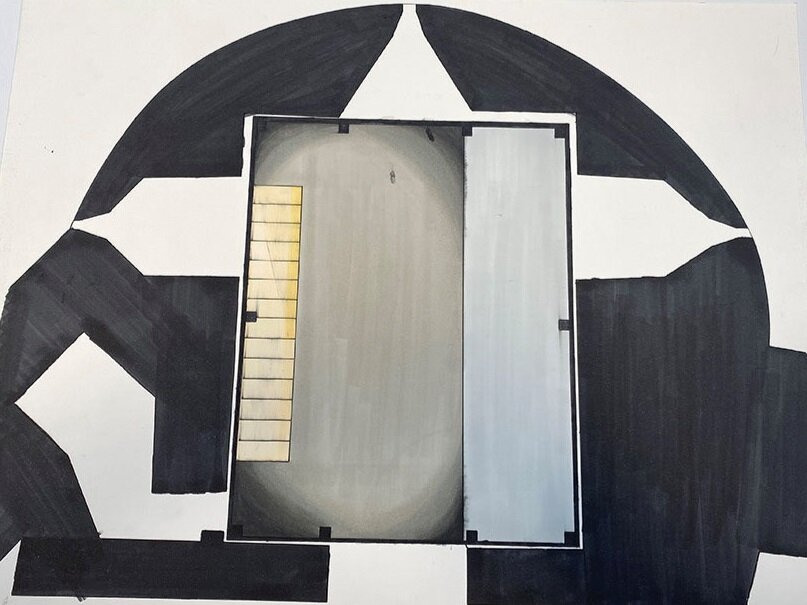
To maximise the available space, the design utilised the two floors. The ground floor was designed for the making and selling of watches and the top floor for storage of parts. A key consideration was given to how the light enters the restricted space. A light point was set and pencil lines were drawn, to illustrate where the light was entering. The same sunlight angles were detailed for both floors.