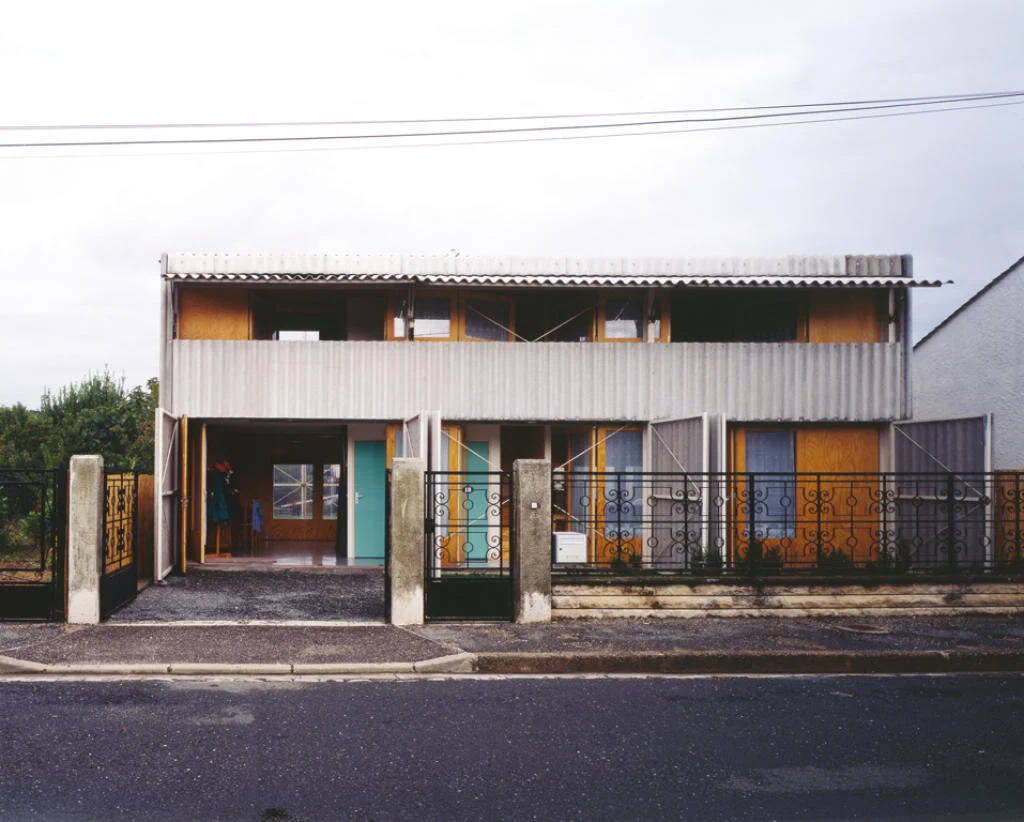
Maison Latapie
Lacaton & Vassel
Floriac, France, 1993
Research.
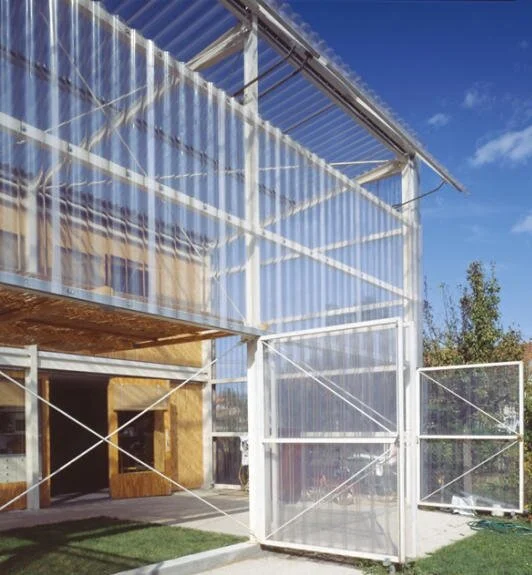
Site.
When starting this project, research into the site and its surrounding area was essential to understand the buildings context within the neighbouring structures. Although similar to its neighbours, through the use of metal corrugation, the building stands out because of the clear extension. Lacaton & Vassel have used the surrounding buildings as inspiration for the materiality, but have used the materials in a contemporary way.
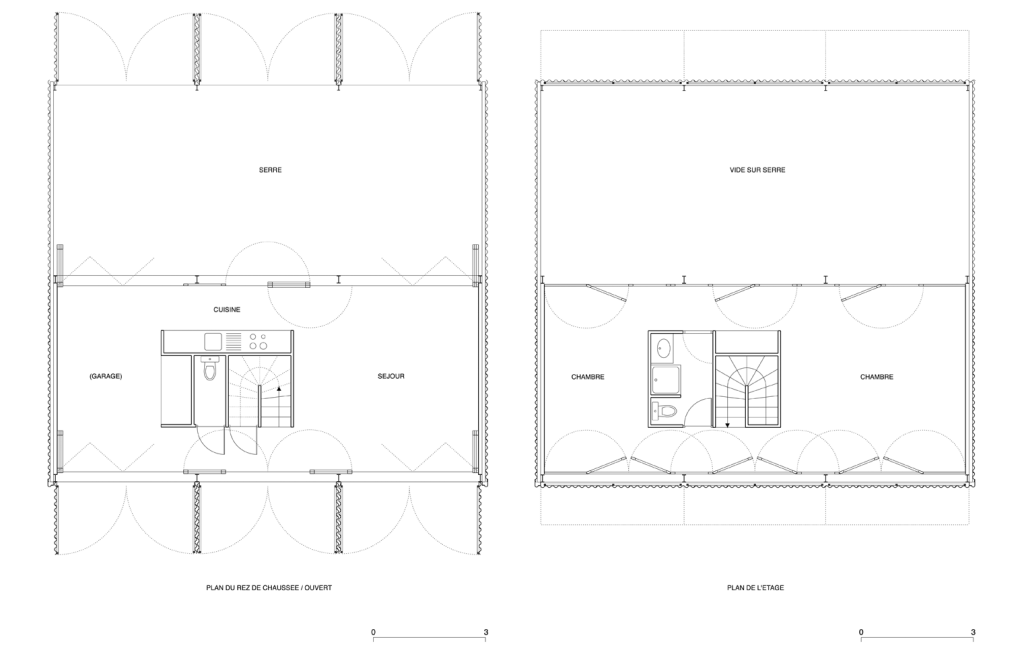
Existing Drawings.
Throughout the research phase of this project, the aim is to understand the building and to later utilise that research to communicate the building. The existing drawings provide technical views of the structure that can be used to interpret the building in a detailed manner through plan, section and elevation.
Site Plan.
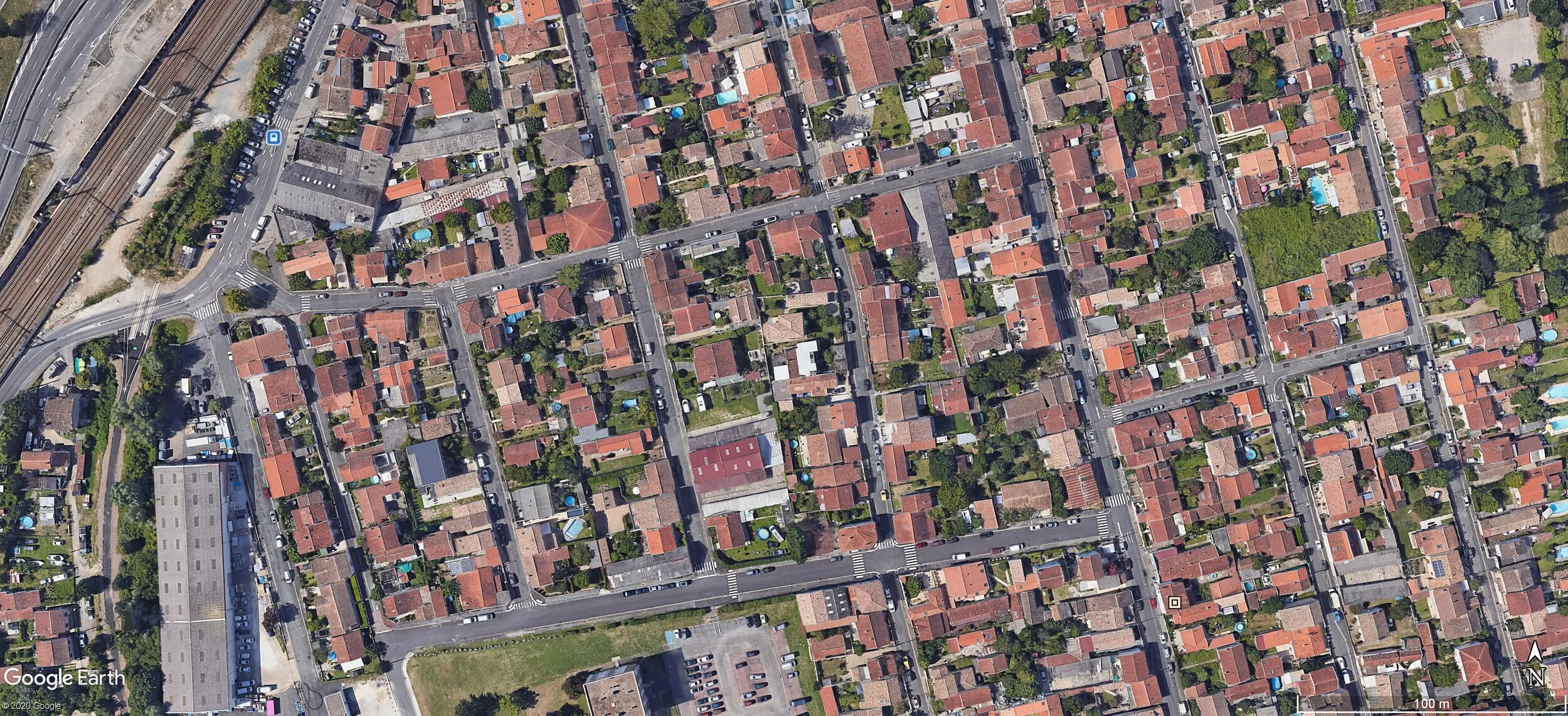
Google Earth.
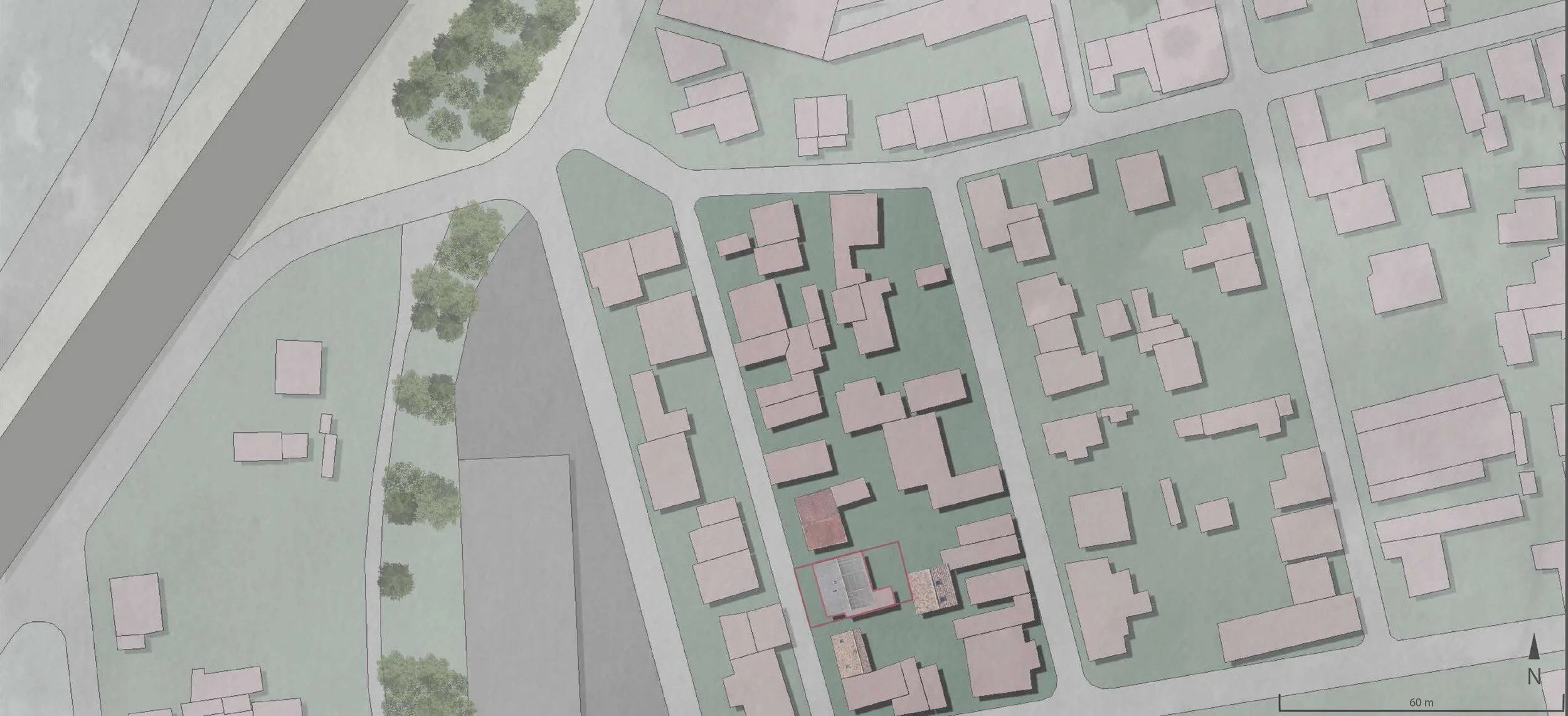
Within the process of understanding the building, three drawings needed to be created to communicate the structure to a reader. A site plan was the initial drawing to be created which provided a better understanding of the area surrounding the site. The site plan was to not be taken too far out, as to not be confused with a location plan.
Render.
The rendering process for the site plan needed to covey where the site is located but also needed to show it within the surrounding context. This was achieved by having two main visual components. A gradient effect originating at the site, to simulate distance, and greater detail of the buildings surrounding the immediate site. This draws the eye to the site while still conveying the context around the site.
Section.
Existing Section.
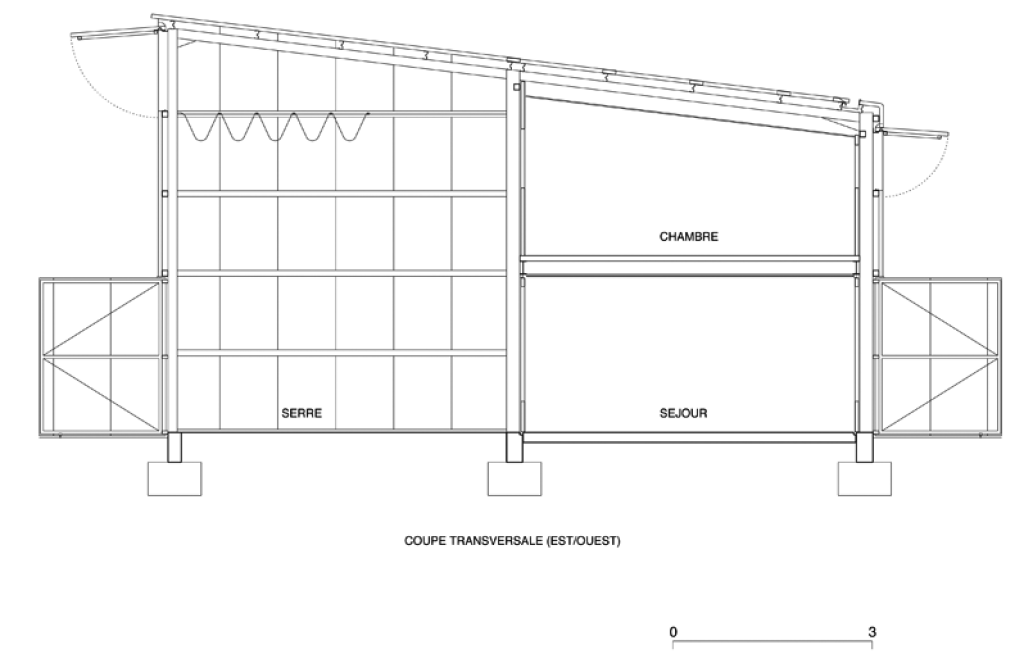
To better understand the structure of the building, a section was studied to provide information about the existing structure, but also the contemporary extension. The section better demonstrates the main features of the space. One of which being air flow, through the use of large hinged vents. Once understood, an AutoCAD model was created for later use in 3D software.
Render.
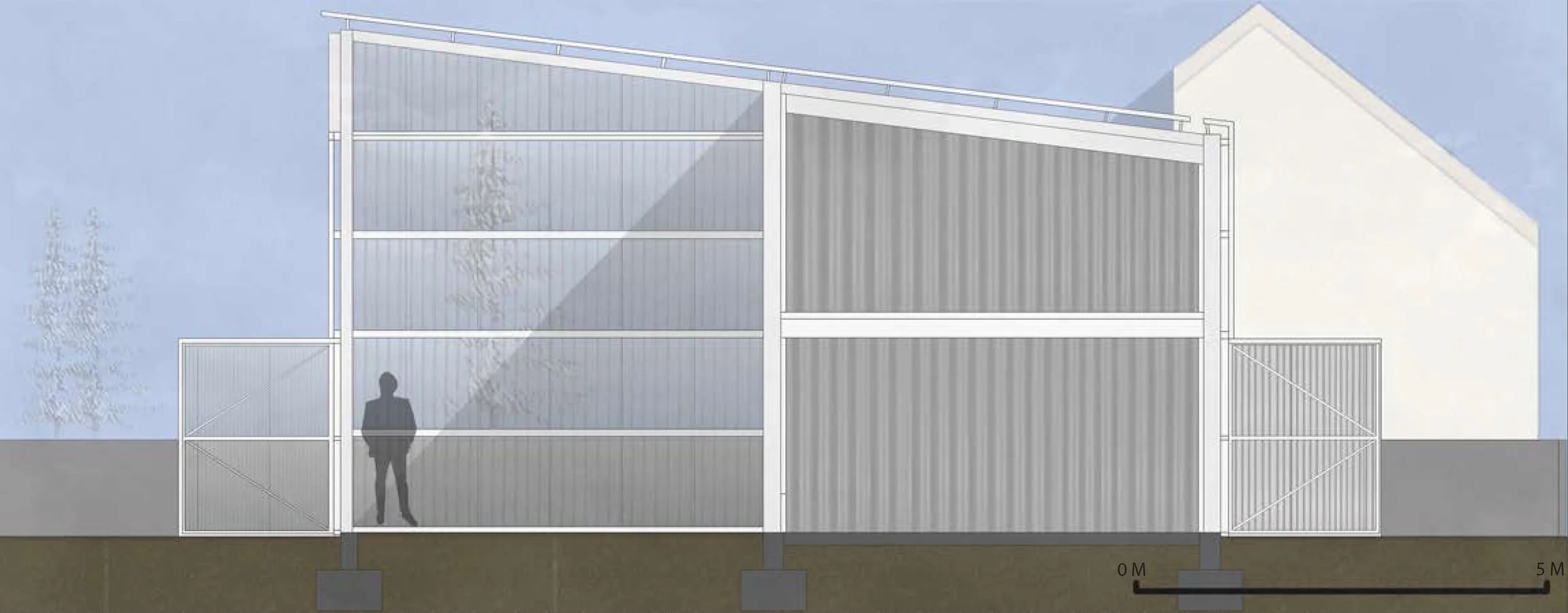
When rendering the section, there were two main features trying to be conveyed. The structure of the existing building, contemporary extension and the materiality within the building. These features help the reader better understand the technicality of the structure and the materials used within the space.
Interior Perspective.
Sketchup.
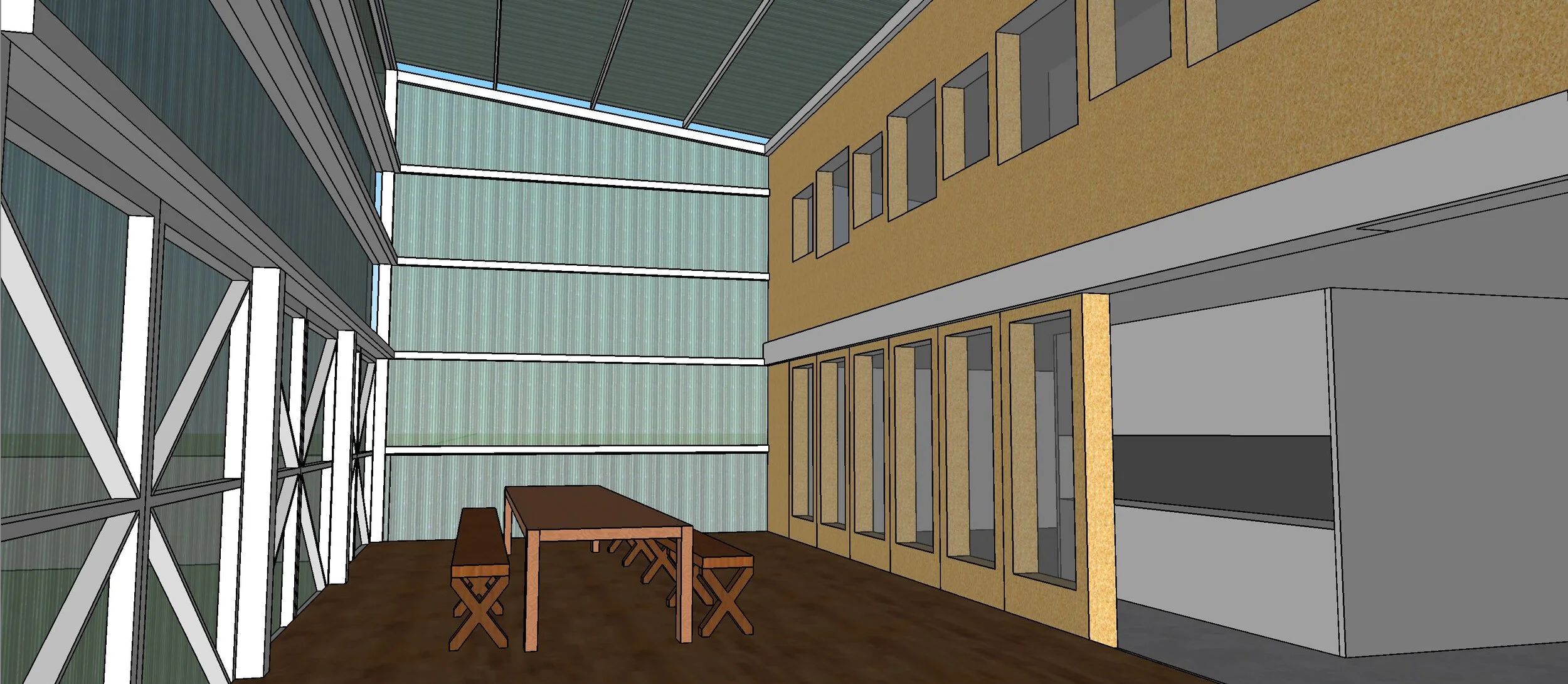
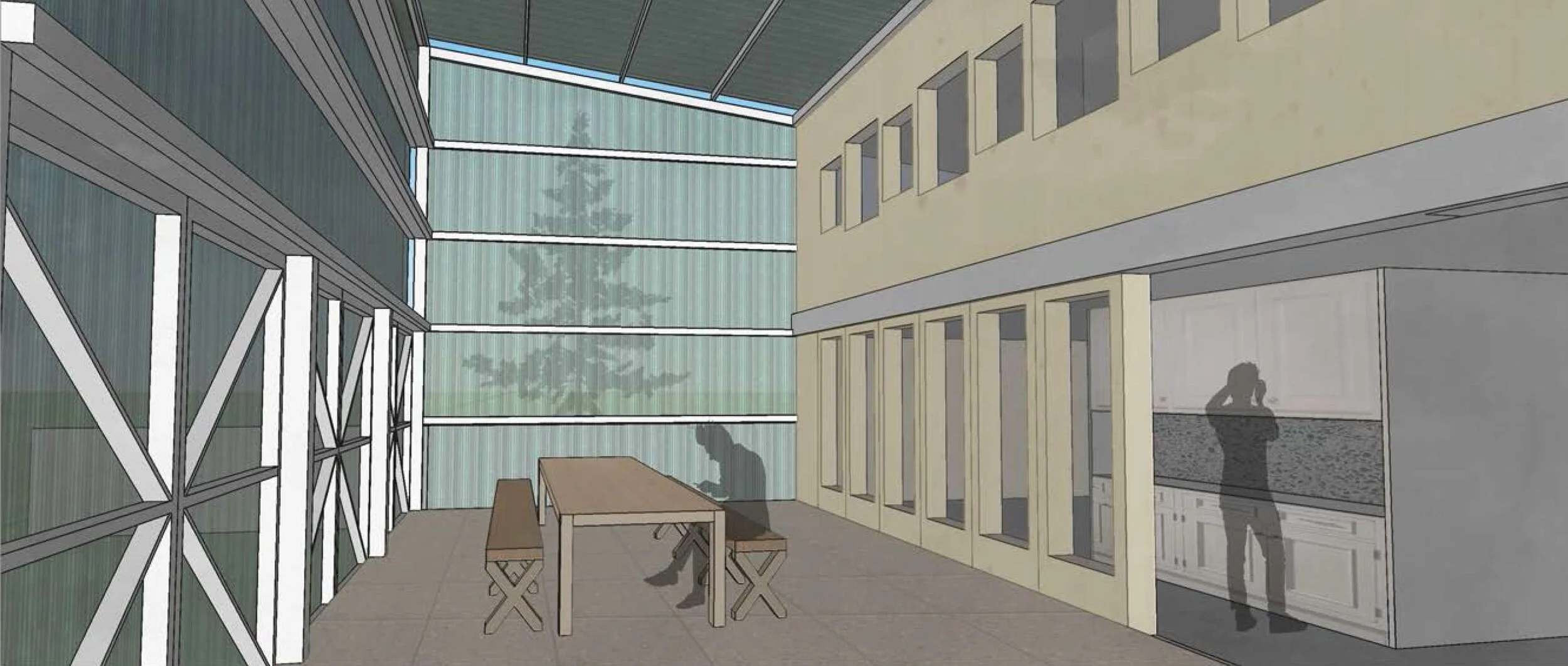
As a training Interior Architect, interior perspectives are very important as they convey the atmosphere within the space and show how, in this building, the extension works with the existing building. Sketchup was used to turn a 2D section in a 3D model. Textures are added to simulate a reality aspect to the model.
Render.
After a 3D model in Sketchup was created, location of the image was very important as to capture the best angle to show the spatial features. Once found, the perspective is then rendered to show a more detailed version of the space. Features like cupboards and wall details are shown, which enhance the model to assist the reader in understanding the atmosphere within the space.